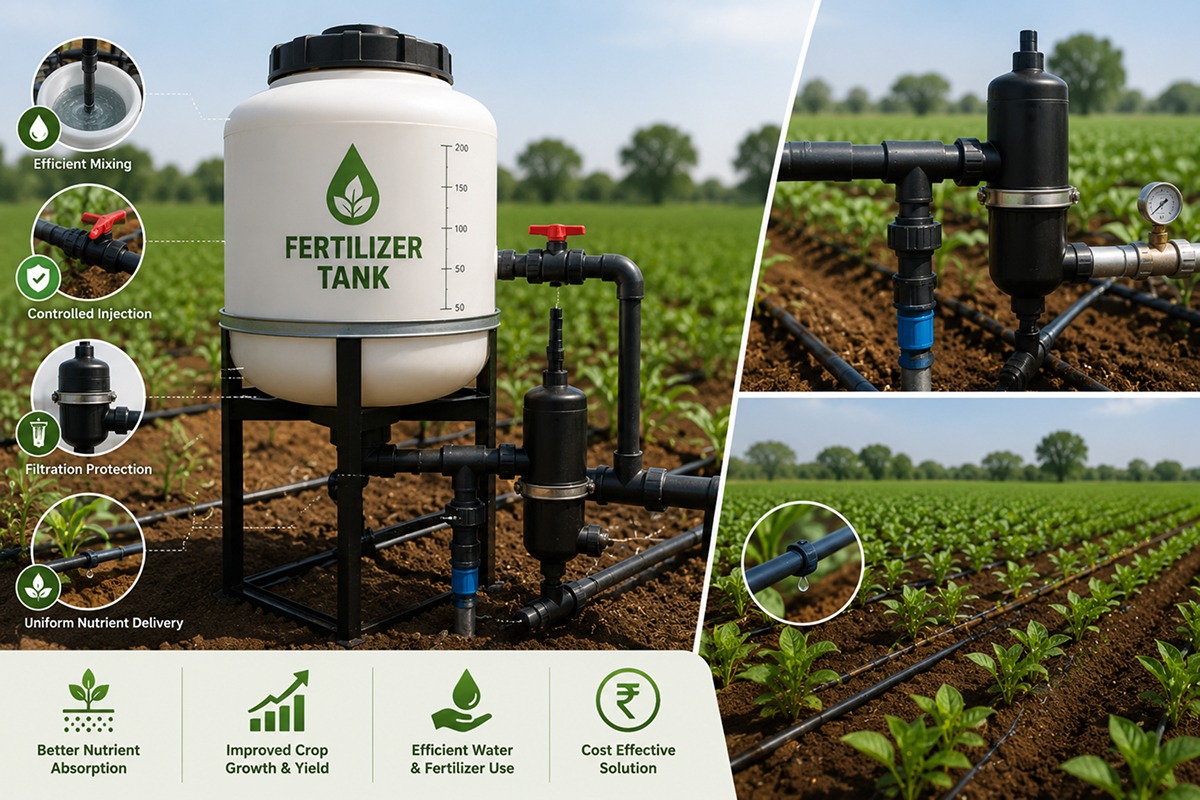
Fertilizer Tank: Enhancing Nutrient Delivery in a Drip Irrigation System
Efficient irrigation is no longer just about supplying water to crops-it is also about delivering nutrients at the right time and in the right quantity. As modern farming practices continue to evolve, farmers are increasingly adopting fertigation, a method that combines irrigation and fertilizer application into a single process. At the heart of this technique is the fertilizer tank, a vital component that works seamlessly with a drip irrigation system to improve crop health, reduce fertilizer wastage, and maximize agricultural productivity.
By allowing fertilizers to mix with irrigation water, a fertilizer tank ensures that nutrients are delivered directly to the plant root zone. This targeted application promotes healthier crop growth while optimizing the use of both water and fertilizers. Whether used in vegetable farming, fruit orchards, plantations, or greenhouse cultivation, a fertilizer tank has become an indispensable part of modern drip irrigation systems.
What Is a Fertilizer Tank?
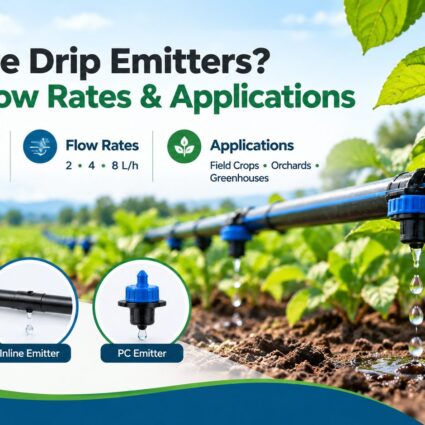
A fertilizer tank is a specialized container installed within a drip irrigation system to inject water-soluble fertilizers into the irrigation water. As water flows through the irrigation network, it passes through the tank, dissolving the fertilizer and carrying it directly to the crop roots through drip emitters.
Unlike traditional fertilizer application methods that often result in uneven nutrient distribution and higher losses, fertigation ensures that crops receive nutrients in precise quantities throughout their growth cycle. This controlled nutrient delivery helps improve fertilizer efficiency while reducing labor and operational costs.
Why Fertigation Matters in Modern Agriculture
Today’s farmers face several challenges, including increasing fertilizer costs, water scarcity, and the need to achieve higher crop yields. Fertigation addresses these challenges by combining irrigation and fertilization into one efficient operation.
Some of the major advantages include:
- Precise nutrient application directly to the root zone
- Better fertilizer utilization by plants
- Reduced nutrient losses due to runoff or evaporation
- Lower labor requirements compared to manual fertilization
- Improved crop growth and yield consistency
When integrated with a drip irrigation system, a fertilizer tank becomes an effective tool for sustainable and resource-efficient farming.
How a Fertilizer Tank Works in a Drip Irrigation System
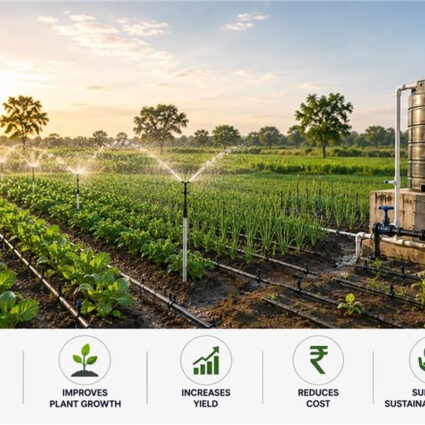
The working principle of a fertilizer tank is straightforward yet highly effective. The tank is connected to the irrigation pipeline, where water enters under pressure and mixes with water-soluble fertilizers placed inside the tank. This nutrient-rich solution then travels through the drip irrigation network and reaches each plant through emitters.
Since nutrients are supplied gradually during irrigation, plants receive a continuous and balanced supply of essential elements such as nitrogen, phosphorus, and potassium. This controlled feeding method encourages stronger root development, healthier foliage, and improved crop productivity.
The efficiency of this process depends on proper installation, suitable fertilizer selection, and regular maintenance of the irrigation system.
Key Features of a High-Quality Fertilizer Tank
Selecting the right fertilizer tank plays an important role in achieving reliable fertigation performance.
Durable Construction
A quality fertilizer tank is manufactured using materials that can withstand pressure, moisture, and prolonged exposure to agricultural fertilizers without deteriorating quickly.
Corrosion Resistance
Since fertilizers can be chemically active, corrosion-resistant construction helps extend the service life of the tank and ensures dependable long-term performance.
Efficient Fertilizer Mixing
A well-designed tank allows fertilizers to dissolve uniformly in the irrigation water, enabling consistent nutrient distribution across the entire field.
Easy Installation
Modern fertilizer tanks are designed for simple integration with existing drip irrigation systems, making installation and operation convenient for farmers.
Low Maintenance Requirements
With proper cleaning after use and routine inspection, fertilizer tanks require minimal maintenance while continuing to deliver efficient performance season after season.
Benefits of Using a Fertilizer Tank
Adding a fertilizer tank to a drip irrigation system offers several practical benefits that contribute to improved farm efficiency.
Improved Nutrient Absorption
Since fertilizers are delivered directly to the active root zone, plants absorb nutrients more efficiently than with conventional broadcasting methods. This promotes healthier plant development and minimizes nutrient losses.
Better Water and Fertilizer Efficiency
A fertilizer tank combines irrigation and nutrient application into a single process. This reduces unnecessary fertilizer wastage while ensuring that every irrigation cycle contributes to crop nutrition, helping farmers make better use of valuable resources.
Uniform Crop Growth
Even nutrient distribution across the irrigation network allows crops to receive a balanced supply of essential elements. As a result, fields experience more consistent plant growth, improved crop quality, and better yield potential.
Reduced Labor Requirements
Manual fertilizer application often requires significant time and workforce. By automating nutrient delivery through the irrigation system, a fertilizer tank reduces labor costs and simplifies daily farm operations.
Cost-Effective Farming
Efficient fertilizer utilization means fewer nutrients are wasted, reducing overall fertilizer consumption. Over time, this contributes to lower production costs while maintaining high agricultural productivity.
Applications of Fertilizer Tanks
A fertilizer tank is suitable for a wide range of agricultural and horticultural applications.
It is commonly used in:
- Vegetable cultivation
- Fruit orchards
- Vineyards
- Greenhouse farming
- Plantation crops
- Flower cultivation
- Commercial agriculture
- Landscape irrigation
Its versatility makes it an ideal solution for both small farms and large-scale agricultural projects.
Choosing the Right Fertilizer Tank
Selecting the appropriate fertilizer tank depends on the specific requirements of your irrigation system and farming operation.
Before purchasing, consider factors such as:
- Capacity suitable for your field size
- Compatibility with your drip irrigation system
- Operating pressure requirements
- Material quality and corrosion resistance
- Ease of installation and maintenance
- Availability of compatible irrigation accessories
Investing in a high-quality fertilizer tank ensures efficient fertigation and reliable long-term performance.
Pawan Polytex Drip Irrigation Solutions
Pawan Polytex has been delivering irrigation solutions for Indian agriculture since 1994 through its NANDI brand. The company manufactures a comprehensive range of drip irrigation products designed to improve water management, crop productivity, and farming efficiency. Its drip irrigation portfolio includes laterals, emitters, online drippers, valves, filters, fittings, fertilizer tanks, and other essential accessories that work together as an integrated irrigation solution. These products are developed to support precise water and nutrient delivery while helping farmers reduce resource wastage and improve overall farm performance.
By combining a quality fertilizer tank with a complete drip irrigation system, farmers can achieve accurate fertigation, better crop nutrition, and more efficient irrigation management across different types of crops and field conditions.
Best Practices for Using a Fertilizer Tank
To maximize the benefits of fertigation, farmers should follow a few simple practices:
- Use only water-soluble fertilizers recommended for drip irrigation systems.
- Dissolve fertilizers properly before beginning the irrigation cycle.
- Flush the irrigation system with clean water after fertigation to prevent clogging.
- Clean the fertilizer tank periodically to remove any residue.
- Inspect filters, valves, and emitters regularly to maintain smooth nutrient flow.
- Follow crop-specific fertilizer schedules for optimal results.
These practices help improve system efficiency while extending the life of irrigation components.
Conclusion
A fertilizer tank is far more than a storage container-it is a key component that enables precise nutrient management in a modern drip irrigation system. By delivering fertilizers directly to the root zone, it enhances nutrient uptake, improves water efficiency, reduces labor requirements, and supports healthier crop growth.
Whether you are cultivating vegetables, fruits, plantation crops, or greenhouse produce, integrating a fertilizer tank into your drip irrigation system can significantly improve irrigation efficiency and farm productivity. When paired with high-quality drip irrigation components from trusted manufacturers like Pawan Polytex, farmers can build a reliable irrigation solution that promotes sustainable agriculture, optimizes resource utilization, and supports higher yields season after season.