Micro Irrigation System: The Smart Approach to Modern Irrigation Systems
Efficient water management has become one of the most critical aspects of modern agriculture. With increasing pressure on water resources and the need to improve crop productivity, farmers are rapidly adopting advanced irrigation techniques. Among these, the micro irrigation system stands out as one of the most effective and sustainable solutions.
A micro irrigation system focuses on delivering water directly to plants in a controlled and precise manner. Unlike traditional irrigation systems that often result in water wastage, micro irrigation ensures that every drop is used efficiently. This makes it an ideal choice for farmers looking to improve yield while conserving resources.
What is a Micro Irrigation System?
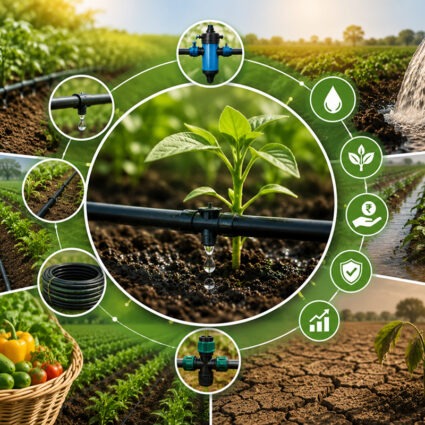
A micro irrigation system is a modern irrigation method that supplies water in small quantities directly to the root zone of plants. It includes systems like drip irrigation and micro sprinklers, both designed to optimize water usage and improve plant health.
The system works by distributing water through a network of pipes, valves, and emitters, ensuring that plants receive consistent moisture. This targeted approach reduces evaporation and runoff, making it one of the most efficient irrigation systems available today.
Types of Micro Irrigation Systems
Micro irrigation systems are available in different types, each designed to meet specific agricultural needs. The most commonly used types include drip irrigation and micro sprinkler systems.
Drip irrigation delivers water directly to the base of plants through emitters, making it highly efficient for row crops and orchards. On the other hand, micro sprinkler systems distribute water in the form of fine droplets over a small area, making them suitable for crops that require uniform moisture distribution.
Solutions like micro sprinkler systems offered by Pawan Polytex are designed to provide efficient water coverage while maintaining soil health and crop productivity.
How a Micro Irrigation System Works
The working of a micro irrigation system is based on precision and controlled water delivery. Water is sourced from a tank, borewell, or reservoir and then passed through filters to remove impurities.
Once filtered, the water flows through a network of pipes and reaches emitters or micro sprinklers placed near the plants. These emitters release water slowly and consistently, ensuring that plants receive the right amount of moisture.
In advanced setups, fertilizers can also be added through the system, allowing plants to absorb nutrients more effectively. This integrated approach improves both water and nutrient efficiency.
Benefits of Micro Irrigation System
The adoption of micro irrigation systems has grown significantly due to the wide range of benefits they offer. One of the most important advantages is water conservation. By delivering water directly to plants, the system minimizes losses caused by evaporation and runoff.
Another key benefit is improved crop yield. Consistent moisture levels and efficient nutrient delivery help plants grow healthier and produce better results. This
makes micro irrigation systems highly beneficial for both small and large-scale farming.
The system also reduces weed growth, as water is not spread across the entire field. Additionally, it lowers labor and energy costs, as it can be automated and requires minimal manual intervention.
Applications of Micro Irrigation Systems
Micro irrigation systems are widely used in various agricultural and non-agricultural applications. They are particularly effective for crops such as fruits, vegetables, and plantation crops.
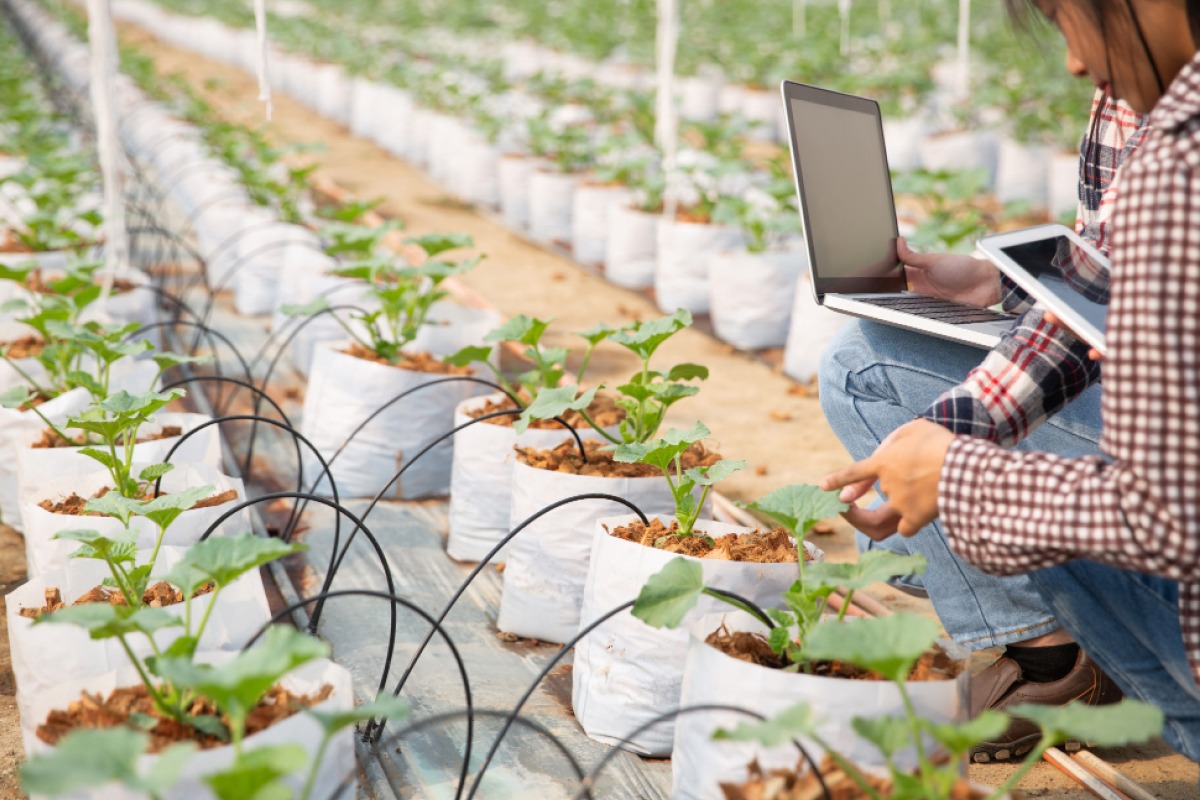
Apart from farming, these systems are also used in greenhouses, nurseries, and landscaping projects. Their ability to deliver precise amounts of water makes them ideal for areas where efficient water management is essential.
Role of Drip Irrigation Manufacturers in Modern Agriculture
The success of any irrigation system depends largely on the quality of its components and design. Reliable drip irrigation manufacturers play a crucial role in providing durable and efficient solutions for farmers.
Companies like Pawan Polytex offer a comprehensive range of micro irrigation products, including drip and micro sprinkler systems. Their solutions are designed to meet the diverse needs of modern agriculture while ensuring long-term performance.
By choosing products from trusted manufacturers, farmers can ensure better efficiency, reduced maintenance, and improved productivity.
Why Micro Irrigation is the Future of Irrigation Systems
As water scarcity becomes a growing concern, the need for efficient irrigation systems is more important than ever. Micro irrigation systems provide a sustainable solution by maximizing water usage and minimizing wastage.
These systems are also supported by government initiatives and subsidies in many regions, encouraging farmers to adopt modern irrigation techniques. With advancements in technology, micro irrigation systems are becoming more accessible and easier to manage.
The combination of efficiency, sustainability, and improved crop yield makes micro irrigation a key component of the future of agriculture.
Conclusion
A micro irrigation system is one of the most effective solutions for modern farming challenges. By delivering water directly to plants in a controlled manner, it helps conserve resources while improving productivity.
As agriculture continues to evolve, adopting advanced irrigation systems like micro irrigation is essential for long-term success. With the support of reliable manufacturers and high-quality equipment, farmers can achieve better results and contribute to sustainable farming practices.
FAQs
What is a micro irrigation system?
A micro irrigation system is a method of delivering water directly to plant roots in small quantities for efficient water usage.
What are the types of micro irrigation systems?
The main types include drip irrigation and micro sprinkler systems.
How does micro irrigation save water?
It reduces water loss by delivering water directly to the root zone, minimizing evaporation and runoff.
Where can micro irrigation systems be used?
They are used in farms, greenhouses, orchards, and landscaping areas.
What is the role of drip irrigation manufacturers?
They provide high-quality irrigation products that ensure efficiency and durability.
Is micro irrigation suitable for all crops?
Yes, it is suitable for a wide range of crops, including fruits and vegetables.
Can fertilizers be used in micro irrigation systems?
Yes, fertilizers can be added through the system for better nutrient delivery.
Why is micro irrigation important for modern agriculture?
It helps conserve water, improve crop yield, and support sustainable farming.