How a Mini Irrigation System Helps Save Water and Increase Crop Yield
Water is one of the most valuable resources in agriculture, yet it is becoming increasingly scarce due to climate change, irregular rainfall, and growing demand. To address these challenges, farmers are adopting efficient irrigation techniques that maximize every drop of water while maintaining healthy crop growth. One such solution is the mini irrigation system, which has become a popular choice for modern farming due to its ability to conserve water and improve productivity.
Unlike conventional irrigation methods that often result in significant water loss through runoff and evaporation, a mini irrigation system delivers water more efficiently to crops. This not only reduces water wastage but also creates favorable growing conditions that help improve crop quality and yield.
In this blog, we’ll explore how a mini irrigation system works, its benefits, and why it is becoming an essential investment for sustainable agriculture.
What Is a Mini Irrigation System?
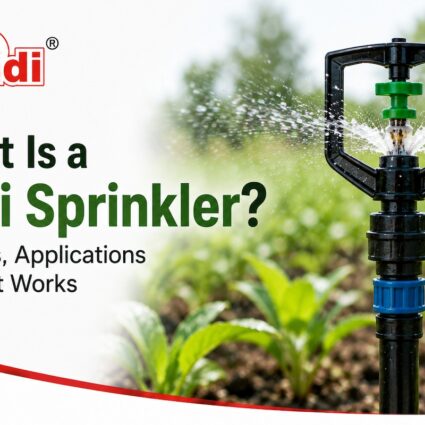
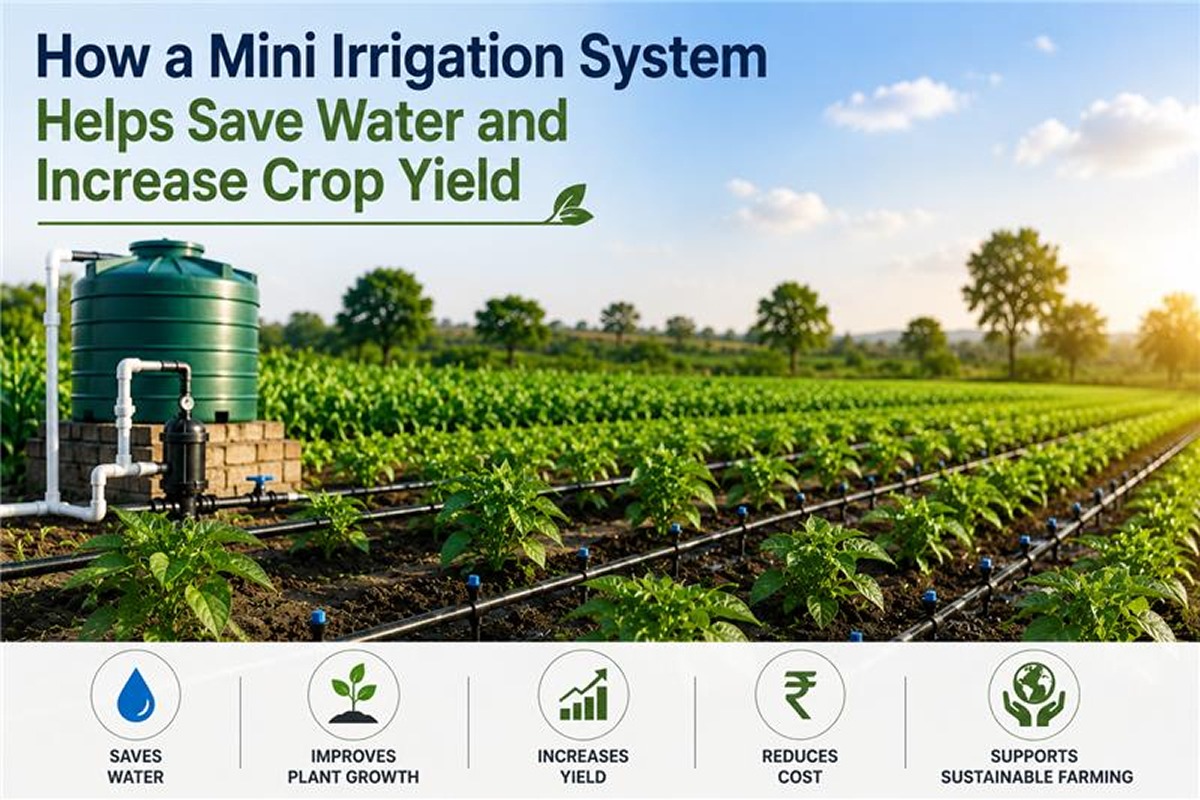
A mini irrigation system is a modern irrigation solution designed to supply water efficiently to crops using low-pressure irrigation equipment such as mini sprinklers, pipes, valves, filters, and fittings. The system distributes water uniformly across the cultivated area while minimizing unnecessary water loss.
Mini irrigation systems are suitable for a wide range of agricultural applications, including vegetable farming, fruit orchards, nurseries, plantations, gardens, and horticultural crops. Their flexibility and efficient water distribution make them ideal for farms of different sizes.
Why Water Conservation Matters in Agriculture
Agriculture accounts for a significant share of freshwater consumption worldwide. Traditional irrigation methods often lose large amounts of water through evaporation, runoff, and uneven distribution.
Efficient irrigation systems help farmers:
- Use available water more effectively.
- Reduce irrigation costs.
- Improve crop health.
- Minimize water wastage.
- Support sustainable farming practices.
A mini irrigation system addresses these challenges by providing controlled and uniform irrigation tailored to crop requirements.
How a Mini Irrigation System Saves Water
One of the biggest advantages of a mini irrigation system is its ability to optimize water usage without compromising crop performance.
Uniform Water Distribution
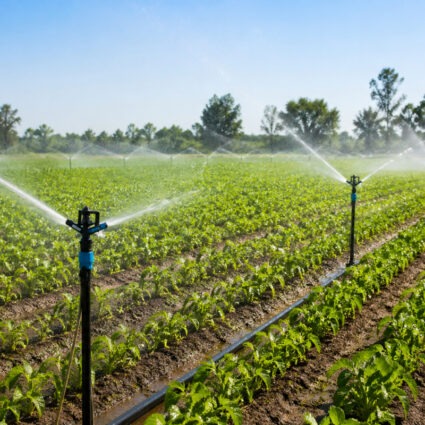
Mini sprinklers distribute water evenly across the field, ensuring that crops receive a consistent amount of moisture. This uniform coverage reduces dry patches and prevents excessive watering in certain areas, helping improve irrigation efficiency.
Reduced Water Loss
Unlike conventional flood irrigation, mini irrigation systems significantly reduce water loss caused by surface runoff, evaporation, and deep percolation. More water reaches the crop root zone, making every irrigation cycle more effective.
Controlled Water Application
Mini irrigation systems deliver water at a controlled flow rate, allowing the soil to absorb moisture gradually. This prevents unnecessary water accumulation and ensures better utilization by plants.
Efficient Coverage for Different Field Conditions
Whether the field is flat, uneven, or gently sloping, a mini irrigation system provides reliable water distribution. This flexibility helps farmers irrigate challenging landscapes more efficiently while conserving water.
How a Mini Irrigation System Increases Crop Yield
Efficient irrigation directly influences crop growth and productivity. By maintaining the right balance of soil moisture, a mini irrigation system creates an ideal environment for healthy plant development.
Promotes Healthy Root Development
A mini irrigation system provides a steady and uniform supply of water, maintaining optimal soil moisture around the root zone. This encourages stronger root development, improves nutrient absorption, and helps plants grow healthier, resulting in better crop quality and higher yields.
Reduces Plant Stress
Irregular watering can cause moisture stress, affecting crop growth and yield. A mini irrigation system provides a steady water supply that helps plants grow uniformly and remain healthy even during dry periods.
Improves Nutrient Utilization
Maintaining optimal soil moisture allows plants to absorb nutrients more efficiently. When combined with proper fertilization practices, this contributes to healthier crops and improved agricultural productivity.
Supports Better Crop Quality
Uniform irrigation encourages balanced plant growth, resulting in improved fruit size, better crop appearance, and more consistent harvest quality.
Key Benefits of a Mini Irrigation System
Installing a mini irrigation system offers several advantages for modern farmers.
Saves Water
A mini irrigation system distributes water efficiently and uniformly, minimizing losses caused by evaporation, runoff, and uneven watering. This helps farmers conserve water while ensuring crops receive the moisture they need for healthy growth.
Increases Crop Productivity
By maintaining consistent soil moisture throughout the growing season, a mini irrigation system creates favorable conditions for plant development. This leads to healthier crops, improved produce quality, and higher overall yields.
Reduces Labor Requirements
Unlike traditional irrigation methods that require continuous manual supervision, mini irrigation systems automate water distribution. This reduces labor requirements, saves valuable time, and allows farmers to manage irrigation more efficiently.
Suitable for Various Crops
A mini irrigation system is versatile enough to support a wide range of crops, including vegetables, fruit orchards, plantation crops, nurseries, gardens, and horticultural fields. Its flexible design makes it suitable for farms of different sizes and cultivation practices.
Long-Term Cost Savings
Although the initial installation may require an investment, a mini irrigation system helps reduce long-term operating costs through efficient water use, lower labor expenses, and improved crop productivity, offering better returns over time.
Crops Suitable for a Mini Irrigation System
A mini irrigation system is suitable for many agricultural applications, including:
- Vegetables
- Fruit orchards
- Vineyards
- Plantation crops
- Nurseries
- Flower cultivation
- Greenhouses
- Landscape irrigation
Its versatility makes it an excellent irrigation solution for both small and large farming operations.
Factors to Consider Before Installing a Mini Irrigation System
Before selecting a mini irrigation system, farmers should evaluate a few important factors.
Water Source
Before installing a mini irrigation system, evaluate the availability and quality of your water source. It should provide sufficient water pressure and flow to ensure uniform distribution and efficient irrigation across the entire field.
Crop Requirements
Every crop has unique water needs depending on its growth stage and cultivation method. Designing the irrigation layout according to the specific requirements of your crops helps maintain optimal soil moisture, supports healthy plant growth, and improves overall productivity.
Soil Type
Soil texture influences how quickly water is absorbed and retained. Understanding whether your soil is sandy, loamy, or clay helps determine the appropriate irrigation frequency and water application rate, ensuring efficient water use and preventing over- or under-irrigation.
Quality Components
Soil texture influences how quickly water is absorbed and retained. Understanding whether your soil is sandy, loamy, or clay helps determine the appropriate irrigation frequency and water application rate, ensuring efficient water use and preventing over- or under-irrigation.
Why Quality Irrigation Components Matter
The performance of a mini irrigation system depends largely on the quality of its components. Reliable pipes, mini sprinklers, filters, valves, and fittings ensure efficient water distribution, minimize leakage, and extend the overall lifespan of the irrigation system.
High-quality components also reduce maintenance requirements while helping farmers achieve consistent irrigation performance season after season.
Why Choose Pawan Polytex for Mini Irrigation Solutions?
For farmers seeking dependable irrigation products, Pawan Polytex has been delivering innovative agricultural solutions since 1994 through its NANDI brand. The company offers a comprehensive range of irrigation products, including mini irrigation systems, mini sprinklers, HDPE pipes, filters, valves, fittings, and irrigation accessories designed to improve water management and support modern farming practices.
Built with a focus on durability, performance, and efficient water distribution, Pawan Polytex’s irrigation solutions help farmers optimize water usage while improving crop productivity across a variety of agricultural applications.
Tips to Maximize the Performance of Your Mini Irrigation System
To get the best results from your irrigation system, follow these simple practices:
- Inspect mini sprinklers regularly for uniform water distribution.
- Clean filters periodically to prevent clogging.
- Check pipes and fittings for leaks or damage.
- Adjust irrigation schedules according to crop growth stages.
- Perform routine maintenance before every cropping season.
Proper maintenance helps improve irrigation efficiency and extends the lifespan of the system.
Conclusion
A mini irrigation system is an effective solution for farmers looking to conserve water while improving crop productivity. By providing uniform water distribution, reducing wastage, and maintaining consistent soil moisture, it creates ideal growing conditions for a wide range of crops.
Whether you cultivate vegetables, orchards, plantation crops, or nurseries, investing in a reliable mini irrigation system can help reduce water consumption, lower operating costs, and achieve higher yields. When combined with high-quality irrigation products from trusted manufacturers like Pawan Polytex, farmers can build efficient irrigation networks that support sustainable agriculture and long-term farming success.