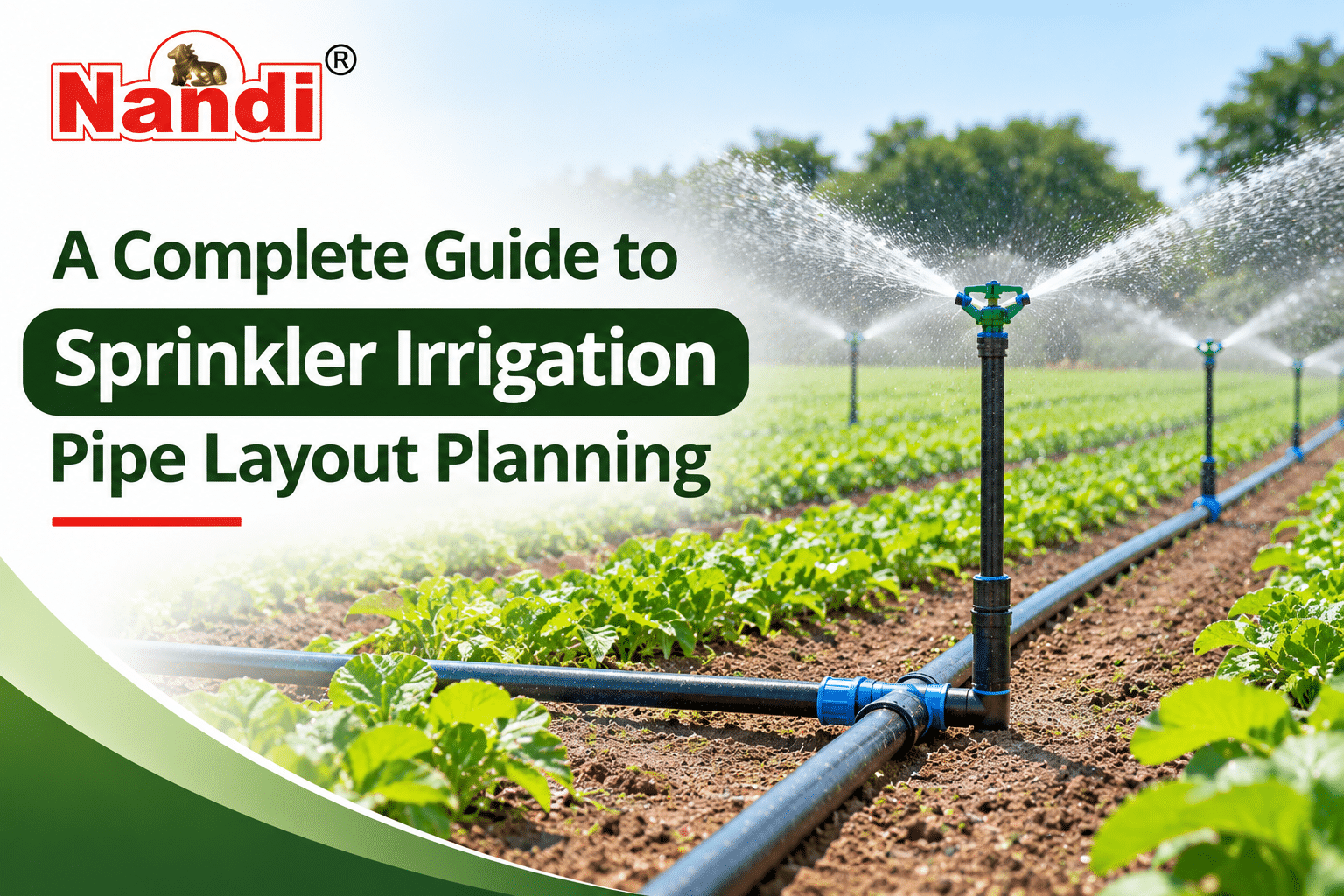
A Complete Guide to Sprinkler Irrigation Pipe Layout Planning
Water is one of the most important resources in agriculture, and using it wisely can make a big difference in crop production. Traditional irrigation methods often lead to water wastage, uneven distribution, and extra labour. This is why many farmers are now choosing modern irrigation solutions that help them manage water more efficiently. A well-planned agricultural sprinkler system is one such solution. However, installing sprinklers alone is not enough. Proper pipe layout planning is equally important to ensure that water reaches every part of the field with the right pressure and quantity.
What Is Sprinkler Irrigation Pipe Layout Planning?
Sprinkler irrigation pipe layout planning involves deciding where pipes, sprinklers, valves, and other components should be installed across an agricultural field. The main purpose is to distribute water evenly without unnecessary pressure loss or leakage. A properly designed agricultural sprinkler system can help farmers irrigate different crops more effectively while reducing manual effort.
The layout depends on several factors, including field size, crop type, soil conditions, water availability, and the source of water. Understanding these requirements before installation helps avoid future problems and unnecessary expenses.
1. Understand Your Field Requirements
Before starting the pipe layout, take a close look at your agricultural land. Every field has different irrigation requirements, so using the same layout everywhere may not provide good results.
Start by checking the total field area, land slope, soil type, and crop spacing. For example, sandy soil generally absorbs water faster than clay soil. Similarly, crops with wider spacing may require a different sprinkler arrangement compared to closely planted crops.
You should also identify the water source and check its available flow rate. These details will help you decide the required pipe diameter, sprinkler spacing, and overall system capacity.
2. Select the Right Pipes for Your Irrigation System
Pipes are the backbone of any sprinkler irrigation setup. Their quality, diameter, and pressure-handling capacity directly affect the system’s performance.
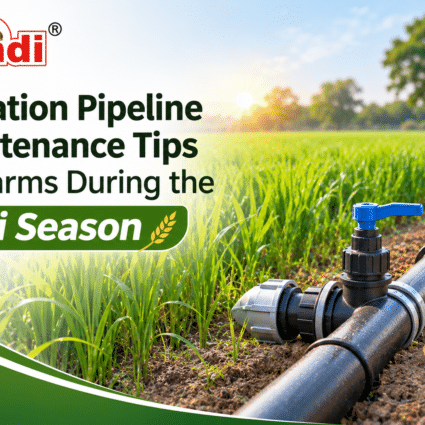
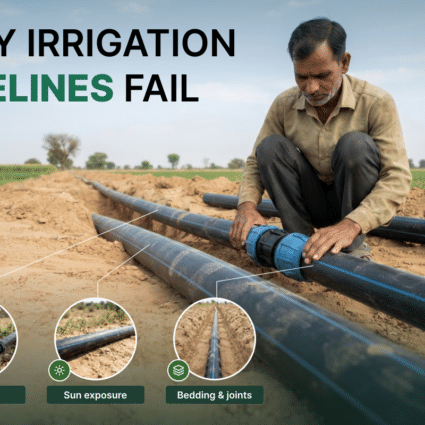
Many farmers prefer agricultural HDPE pipe because it is lightweight, flexible, durable, and suitable for different agricultural applications. These pipes are also resistant to corrosion and can handle changing field conditions when selected and installed correctly.
While choosing pipes, consider the operating pressure, water flow requirements, installation depth, and total pipeline length. The mainline usually carries water from the source, while sub-mainlines and lateral pipes distribute it to different sections of the field.
Choosing the correct pipe size is important because undersized pipes can cause pressure loss, resulting in uneven water distribution.
3. Plan the Mainline, Sub-Mainline, and Lateral Layout
A good sprinkler irrigation layout generally includes three important pipeline sections:
- Mainline: Carries water from the pump or water source to the irrigation field.
- Sub-mainline: Distributes water from the mainline to different field sections.
- Lateral pipes: Supply water directly to individual sprinklers.
The arrangement should be planned according to the field’s shape and size. Keeping the pipeline route simple can make installation, maintenance, and future repairs easier.
It is also important to avoid unnecessary bends and long pipe routes wherever possible. These can increase friction losses and affect water pressure.
4. Decide the Correct Sprinkler Spacing
Sprinkler spacing plays a major role in achieving uniform water distribution. If sprinklers are installed too far apart, some areas may receive less water. On the other hand, placing them too close together may increase installation costs.
The correct distance depends on the sprinkler model, nozzle size, operating pressure, wind conditions, and water distribution pattern.
For better results, sprinklers are generally arranged in square, rectangular, or triangular patterns. The selected arrangement should provide sufficient overlap between the spray patterns.
Before finalising the layout, check the manufacturer’s recommended spacing and operating specifications.
5. Choose the Right Irrigation System for Your Crops
Not every crop needs the same type of irrigation. Some crops require water over a wider area, while others benefit from controlled watering near their roots.
A mini sprinkler system can be a practical option for nurseries, orchards, vegetables, and other crops that need gentle and uniform water distribution. It is particularly useful where smaller spray coverage is preferred.
Farmers can also consider a drip irrigation system India solution when the main requirement is delivering water directly near plant roots. Drip irrigation is often suitable for orchards, row crops, and water-sensitive cultivation practices.
The right choice depends on crop requirements, soil conditions, water availability, and the overall irrigation budget. In some farming situations, different irrigation methods may also be used in separate field sections.
6. Calculate Water Pressure and Flow Requirements
Even a well-designed pipeline layout may not perform properly if water pressure and flow rate are not calculated correctly.
Every sprinkler requires a specific operating pressure to produce the intended spray pattern. If pressure is too low, the sprinkler may not distribute water evenly. Excessively high pressure can cause misting, increased water loss, or damage to system components.
Before installation, calculate the total water requirement based on the number of sprinklers operating at the same time. Also consider the pump capacity, pipe diameter, elevation differences, and friction losses.
If the field is large, dividing it into separate irrigation zones can help maintain suitable pressure and manage water distribution more effectively.
7. Work With a Reliable Irrigation Supplier
Choosing quality components is just as important as preparing the right layout. Pipes, sprinklers, connectors, valves, and filters should all be suitable for your field conditions.
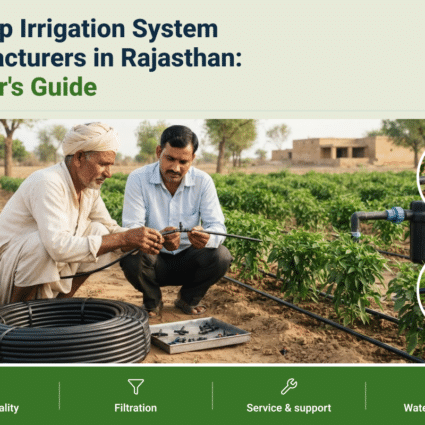
Working with an experienced irrigation sprinkler manufacturer can help you understand the technical requirements of your irrigation project. A reliable supplier can guide you regarding suitable sprinkler models, pipe specifications, pressure requirements, and compatible accessories.
Before purchasing, compare product specifications, material quality, warranty terms, and after-sales support. Avoid selecting products only because they are cheaper, as poor-quality components may lead to frequent repairs and additional expenses.
Getting professional guidance during the planning stage can also help prevent installation mistakes.
8. Don’t Ignore Filtration and Regular Maintenance
Water quality is another important factor in sprinkler irrigation. Sand, dirt, and other suspended particles can block sprinkler nozzles and affect water distribution.
Installing a suitable filtration system before the main pipeline can help reduce clogging problems. The filter should be selected according to the water source and the requirements of the irrigation equipment.
Regular maintenance is equally important. Check for pipe leakage, damaged fittings, blocked nozzles, and pressure variations. Cleaning filters and inspecting sprinkler heads at regular intervals can help keep the system working efficiently.
It is also a good idea to flush the pipelines periodically to remove accumulated dirt and sediment.
Conclusion
Planning a sprinkler irrigation pipe layout requires careful attention to field conditions, pipe selection, sprinkler spacing, water pressure, and crop requirements. A properly designed system helps improve water distribution, reduce avoidable wastage, and make everyday irrigation easier for farmers.
Whether you are installing a new sprinkler setup or upgrading an existing irrigation network, take time to understand your field’s requirements before purchasing equipment. Choosing suitable pipes, quality sprinklers, and reliable components can make a noticeable difference in long-term performance.
Remember, successful irrigation is not just about installing pipes and sprinklers. It is about creating a system that delivers the right amount of water to the right place at the right time.