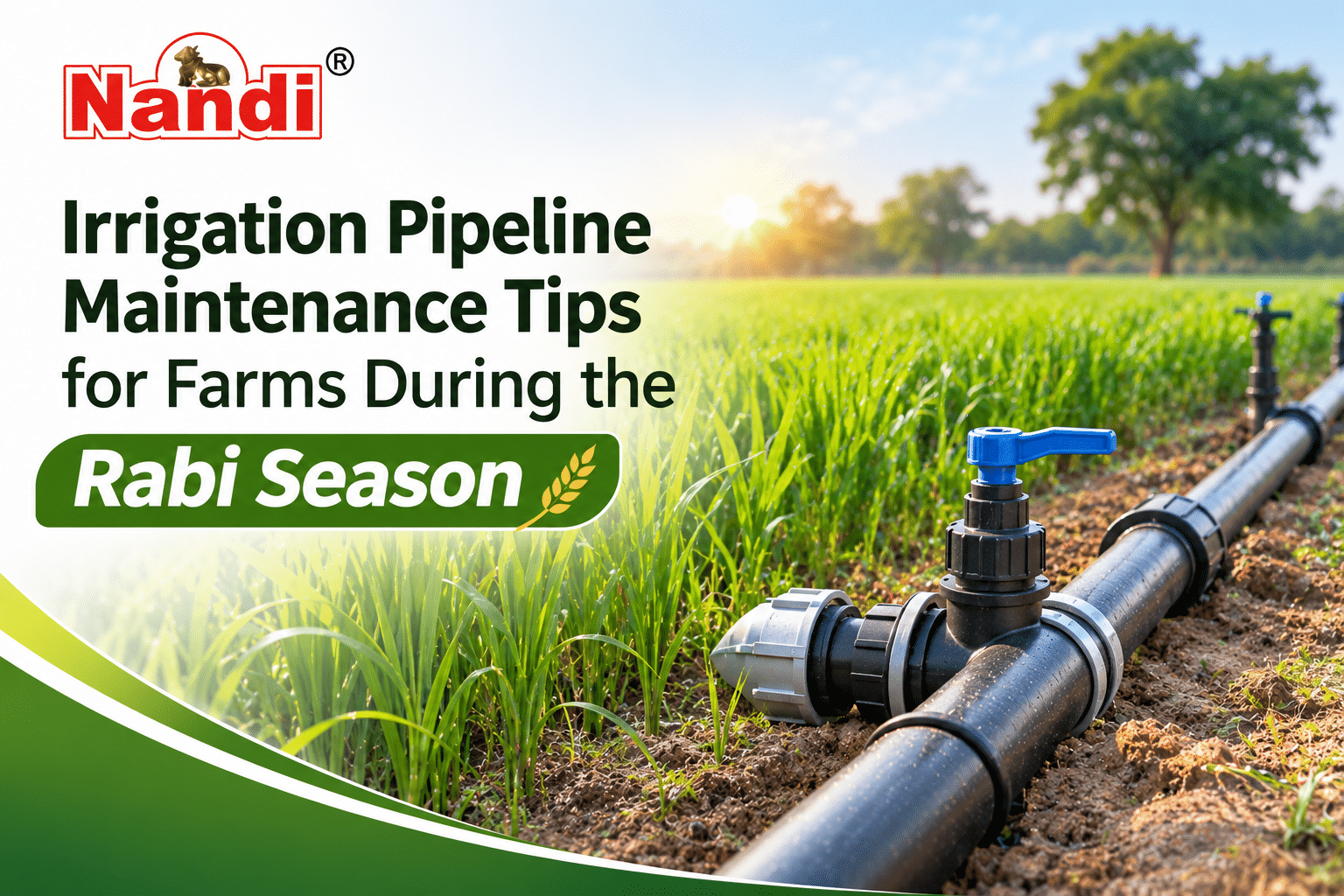
Irrigation Pipeline Maintenance Tips for Farms During the Rabi Season
The Rabi season is an important time for Indian farmers. Crops such as wheat, mustard, barley, and gram need proper irrigation at different stages of their growth. While farmers pay close attention to seeds, fertilisers, and soil preparation, irrigation pipeline maintenance is something that should not be ignored. A small leakage, blocked pipe, or damaged connection can affect the water supply and create problems across the field. Regular maintenance helps keep the irrigation system in good condition and ensures that crops receive water when they need it.
Whether you are using drip or sprinkler irrigation, taking care of your pipeline during the Rabi season can help reduce water wastage, avoid unexpected repairs, and make daily farming activities easier.
Inspect Your Irrigation Pipeline Before the Rabi Season
Before starting regular irrigation, inspect the entire pipeline network carefully. Check the main pipes, sub-main pipes, lateral lines, joints, valves, and connectors for any visible damage.
Sometimes, pipes get damaged during ploughing, land preparation, or the movement of tractors and other agricultural equipment. These small issues may not be noticeable initially but can lead to water leakage once the system starts operating.
Farmers who purchase equipment from a reliable drip irrigation system manufacturer should also follow the recommended inspection and maintenance guidelines. Checking the complete setup before the crop season begins can prevent unnecessary interruptions during important irrigation stages.
Check for Pipe Leakage and Damaged Connections
Leakage is one of the most common problems in agricultural irrigation systems. It can occur due to loose joints, damaged fittings, excessive water pressure, or improper pipe installation.
Even a small leak can reduce water pressure and affect the amount of water reaching different parts of the field. This may result in uneven irrigation, particularly in larger agricultural areas.
During routine inspection, pay special attention to pipe connections, bends, valves, and joints. Replace broken fittings and repair damaged sections as soon as possible.
If the same pipeline section develops leakage repeatedly, consider replacing it with a suitable pipe instead of continuing with temporary repairs.
Clean Filters and Prevent Blockages
Clean water plays an important role in keeping an irrigation system working properly. Water from borewells, ponds, canals, and other sources may contain sand, dirt, algae, and small particles.
Over time, these impurities can collect inside pipelines and block filters, emitters, or sprinkler nozzles.
For drip irrigation systems, filter cleaning is especially important because the small openings in emitters can become clogged easily. Farmers should clean filters according to the manufacturer’s instructions and flush the pipelines periodically.
If you notice that some plants are receiving less water than others, check for blockages before making changes to the irrigation schedule.
Maintain the Correct Water Pressure
Proper water pressure is essential for effective irrigation. Low pressure may prevent sprinklers from covering the required area, while excessive pressure can damage pipe connections and increase the chances of leakage.
Farmers using products associated with sprinkler irrigation India should check the recommended operating pressure for their sprinkler models before running the system.
It is also important to inspect the pump, pressure gauges, and control valves regularly. If your farm has a large irrigation network, dividing it into smaller sections can help maintain better pressure throughout the system.
Always follow the equipment manufacturer’s pressure recommendations rather than increasing pump pressure unnecessarily.
Protect HDPE Pipes from Physical Damage
HDPE pipes are widely used in agriculture because they are flexible, lightweight, corrosion-resistant, and suitable for different irrigation applications.
A good-quality HDPE irrigation pipe can provide reliable performance for agricultural water distribution when selected according to the required pressure rating and installation conditions.
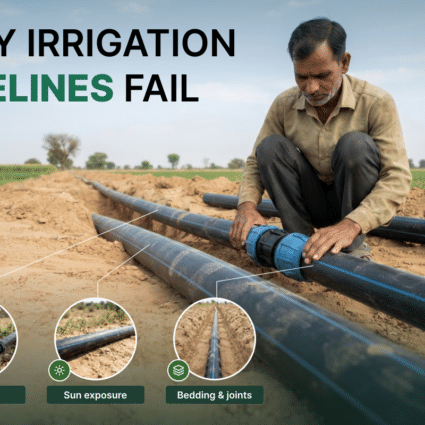
However, even durable pipes need proper handling. Avoid placing heavy farming machinery directly over exposed pipelines. Pipes installed near tractor routes and field entrances should receive additional protection.
During installation or relocation, avoid dragging pipes over sharp stones and rough surfaces. If pipes are removed after irrigation, store them properly to prevent unnecessary physical damage.
Regular inspection of exposed pipeline sections can help identify problems before they become serious.
Inspect Sprinklers and Mini Sprinkler Components
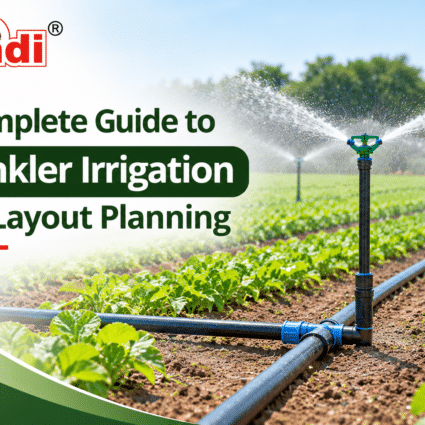
Sprinkler systems need regular cleaning and inspection to maintain uniform water distribution. Check sprinkler heads, nozzles, risers, connectors, and other fittings before starting irrigation.
A blocked nozzle or damaged sprinkler head can change the spray pattern and leave some areas of the field without sufficient water.
Farmers using mini sprinkler irrigation should pay particular attention to nozzle cleanliness and sprinkler spacing. Mini sprinklers are commonly used in vegetable farming, orchards, nurseries, and other agricultural applications where controlled water distribution is required.
Clean sprinkler components using the recommended method. Avoid inserting sharp metal objects into small nozzle openings because this may damage their shape and affect water distribution.
Check Valves, Joints, and Pipeline Connections
Valves and connectors may look like small parts of an irrigation system, but they play an important role in controlling water flow.
A damaged valve can cause continuous leakage or make it difficult to control water supply to individual field sections. Similarly, loose joints may result in pressure loss.
Check whether all valves open and close properly. Inspect connectors for cracks and replace worn-out washers or damaged fittings whenever necessary.
For farms with multiple irrigation zones, labelling the valves can make daily operations easier. It also helps workers identify the correct pipeline section without wasting time.
Adjust Irrigation According to Crop Requirements
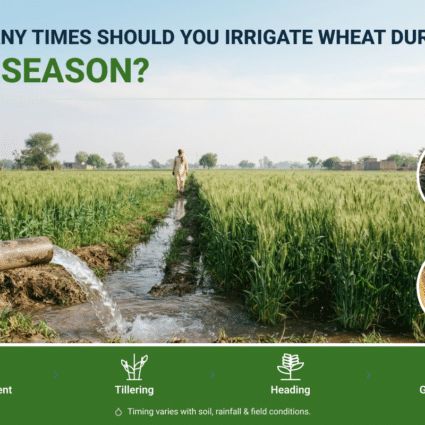
Different Rabi crops have different water requirements. Wheat, mustard, gram, and barley need irrigation at different growth stages depending on their soil and climatic conditions.
For example, wheat requires timely irrigation during important growth stages, while excessive watering can create problems in crops that are sensitive to waterlogging.
Before deciding the irrigation schedule, consider soil moisture, crop growth, local weather, and field conditions.
A properly maintained pipeline makes it easier to supply water at the right time and in the required quantity. Farmers should also avoid running the system longer than necessary because excessive irrigation can waste water and increase energy costs.
Choose Quality Irrigation Products and Reliable Manufacturers
The performance of an irrigation system depends not only on regular maintenance but also on the quality of the components used during installation.
Pipes, sprinklers, filters, valves, and connectors should be selected according to the farm’s requirements. Choosing unsuitable products may lead to frequent leakage, blockages, and maintenance expenses.
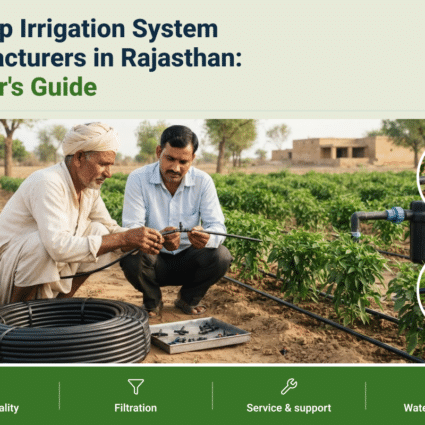
An experienced drip irrigation system manufacturer can guide farmers regarding suitable products, pipe specifications, filtration requirements, and system installation.
Before purchasing irrigation equipment, check product quality, pressure ratings, material specifications, warranty details, and after-sales support.
It is always better to understand your farm’s irrigation requirements before making a purchase rather than selecting products only on the basis of their initial cost.
Follow a Regular Irrigation Maintenance Schedule
One of the easiest ways to avoid major pipeline problems is to follow a simple maintenance routine throughout the Rabi season.
Farmers can include the following activities in their regular inspection schedule:
- Check pipes and joints for leakage.
- Clean filters and remove accumulated dirt.
- Inspect sprinkler nozzles and drip emitters.
- Monitor water pressure during irrigation.
- Check valves and connectors for damage.
- Flush pipelines at suitable intervals.
- Keep exposed pipes protected from agricultural machinery.
Following these simple steps can help identify small problems early and reduce the chances of unexpected irrigation interruptions.
Conclusion
Irrigation pipeline maintenance is an important part of successful farming during the Rabi season. Regular inspection, proper filter cleaning, leakage prevention, and pressure management can help keep the irrigation system working efficiently.
Whether you use drip irrigation, conventional sprinklers, or mini sprinkler systems, every component needs proper attention. Choosing suitable HDPE pipes and quality irrigation accessories can also make a difference in the long-term performance of your system.
For farmers, a little maintenance at the right time can prevent bigger problems later. By following a regular inspection routine and using reliable irrigation products, you can manage water resources more effectively and keep your farm ready for the entire Rabi crop season.